How AI Generated Visuals Are Reshaping Modern Web Design Strategies
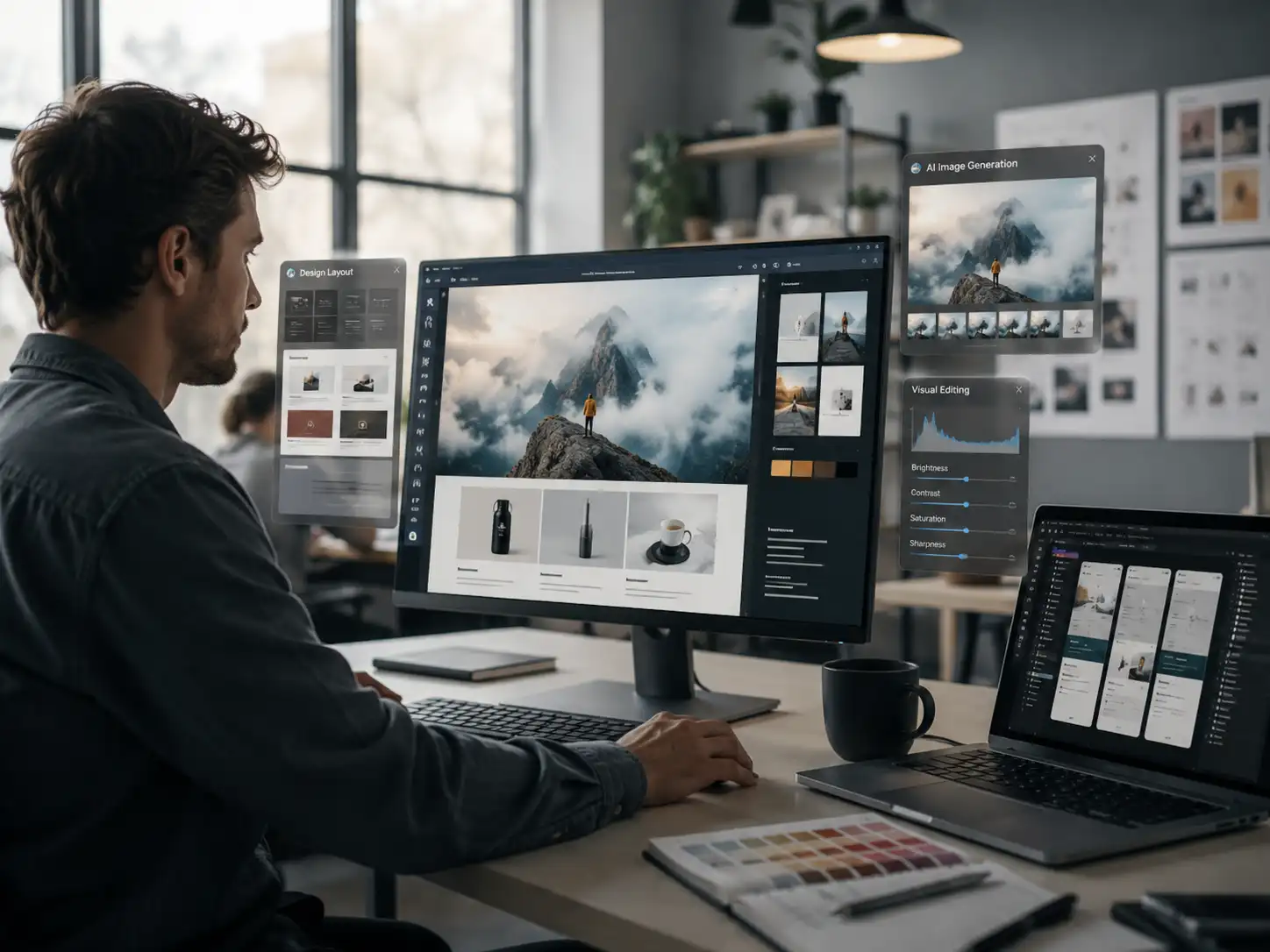
By 2025, approximately 93 percent of web professionals report using artificial intelligence in their daily workflow, with the majority utilising these tools specifically to create imagery and media assets. The digital landscape is shifting rapidly. Brands are no longer restricted by the limitations of traditional photoshoots or generic stock libraries. Instead, AI-generated media is opening up new possibilities for highly customised, engaging website layouts. Recent analysis of digital marketing trends highlights that over 70 percent of images shared on major platforms are now AI-generated or edited, marking a permanent shift in how digital visuals are sourced across the internet.
The Shift Towards Intelligent Visual Asset Creation
Visual content remains a primary driver of user engagement. Research from the MIT Media Lab shows that 75 percent of online shoppers rely primarily on product images when making purchasing decisions, placing higher value on them than written descriptions or price tags. Furthermore, e-commerce testing reveals that high-resolution images can increase conversion rates by an average of 27 percent. AI tools have democratised the creation of these high-quality visuals.
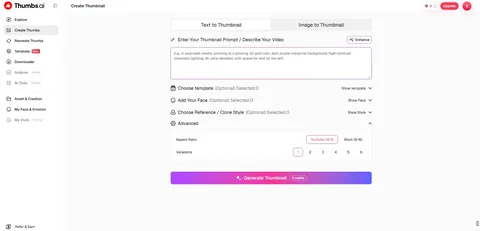
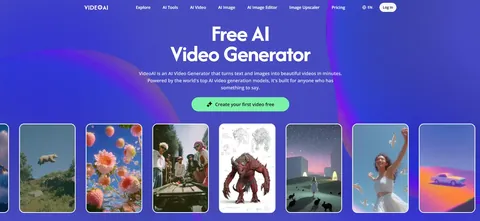
Modern platforms allow creators to quickly generate graphics, convert image formats, and enhance quality without extensive manual editing. When exploring graphic design integration in modern website building, resources available on platforms like SharkFoto highlight the ease with which AI-generated assets can replace traditional stock images. These tools offer more relevant and striking visual alternatives for wireframing and final deployment, allowing designers to iterate rapidly.
Authentic human faces, which can now be generated and iterated via AI, are processed by the human brain incredibly fast and can increase landing page conversions by up to 38 percent when featured strategically. To ensure these visual elements are implemented flawlessly, many businesses partner with a professional website design agency. This collaboration guarantees that creative assets align perfectly with the overarching technical structure of the site.
Balancing High-Quality Media with Site Performance
While creating breathtaking AI visuals is easier than ever, deploying them effectively requires technical precision. Large, unoptimised media files are the main culprit behind poor Core Web Vitals, causing layout shifts and sluggish visual load times. The consequences of neglecting site speed in favour of heavy visuals are severe.
According to recent data compiled by Forbes Advisor, 76 percent of consumers have abandoned carts due to slow-loading sites, and 53 percent of users will simply leave if a page takes longer than three seconds to load. This data underscores a vital reality for modern developers. Beautiful imagery must be paired with rigorous technical optimisation to actually drive user retention and online sales.
Why Technical Web Architecture Matters
The transition from generating an image to embedding it into a live, fast-loading web environment requires a structural approach. Even the most stunning AI visuals can hinder a site if they are not formatted correctly. For instance, using modern image formats like AVIF can offer massive file size reductions compared to traditional JPEGs, yet a recent Web Almanac report indicates it is still only used for a fraction of Largest Contentful Paint images.
This gap in technical execution is exactly why professional development ensures that high-quality AI assets are structured for maximum performance. Expert developers can implement responsive sizing, preload prioritisation, and proper caching strategies. These technical integrations preserve the visual fidelity of AI creations while keeping load times strictly under the three-second threshold, giving businesses a massive competitive advantage.
Key Strategies for Using AI Visuals Effectively
To get the most out of AI-generated visuals, web professionals must combine creative generation with technical best practices. Brands that successfully integrate AI for visual content creation report being 25 percent more likely to achieve their marketing goals compared to non-adopters.
Consider the following strategies when updating your web design workflow:
- Utilise Next-Gen Formats: Always convert AI-generated assets into lightweight formats like WebP or AVIF to save bandwidth and improve page speed scores.
- Test Authentic Imagery: Strategically feature AI-generated human elements to build trust, as users connect with familiar visual hierarchies much faster than large blocks of text.
- Adopt Agentic AI Tools: Use advanced AI systems that can proactively test different image layouts to see what drives the highest user engagement without constant manual input.
- Prioritise Mobile Responsiveness: Ensure your web architecture automatically serves appropriately sized images based on the user device, slashing visual load times by 30 to 60 percent.
The global artificial intelligence market in marketing is projected to surge to $82.2 billion by 2030, driven largely by automated visual content curation. By combining the rapid, creative output of AI image generators with the structural expertise of professional web developers, businesses can deliver digital experiences that are both visually captivating and exceptionally fast. The future of digital marketing relies heavily on mastering this exact intersection of creative artificial intelligence and technical web optimisation.