How AI Visuals Are Transforming Google Display and Performance Max Campaigns
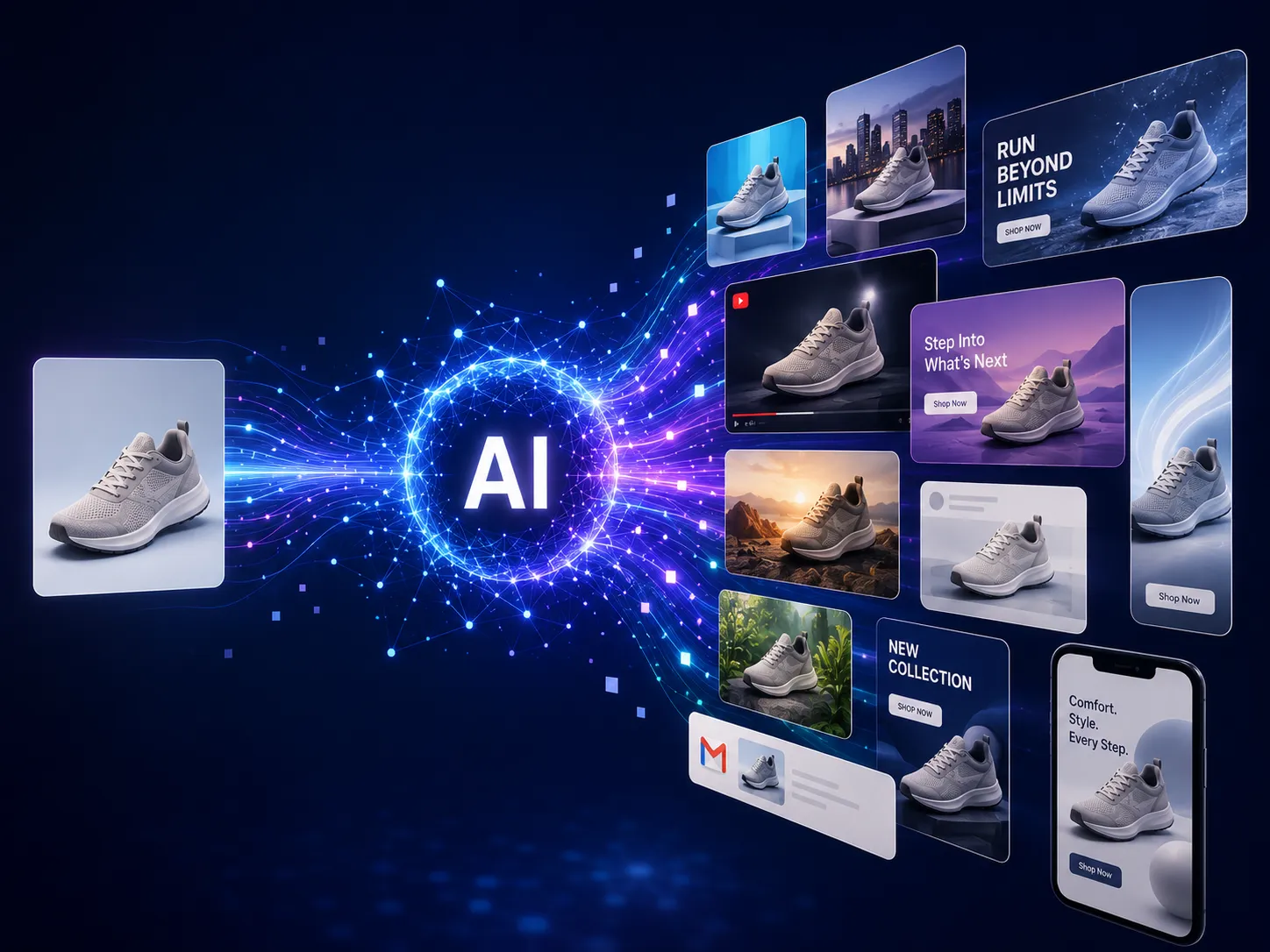
A 2026 report by Intuit QuickBooks revealed that 69% of Australian small and mid-sized businesses now use AI regularly, reporting tangible benefits for both productivity and overall revenue. The landscape of digital marketing is evolving rapidly, driven by the immense capabilities of generative software. In fact, recent industry data shows that 71% of images shared on major social media platforms are now either AI-generated or AI-edited. This rapid normalisation of automated visual media is not just a fleeting trend for organic social feeds. It is fundamentally transforming how businesses run their paid search and display efforts, particularly within Google's expansive digital ecosystem. By leveraging advanced machine learning, advertisers can generate compelling visuals at a scale previously thought impossible, capturing user attention in an increasingly crowded online market.
Why Asset Diversity Matters in Modern Campaigns
Google Performance Max and Display campaigns are incredibly hungry for content, requiring a constant stream of fresh imagery to maintain performance. By 2025, over one million advertisers were actively using Performance Max to reach customers across Google's entire network, including YouTube, Discover, Gmail, and Search. The success of these automated campaigns hinges on the volume and diversity of visual assets provided to the algorithm. Google's official data highlights that advertisers who supply enough varied visual and text assets to achieve an "Excellent" Ad Strength rating see an average of 6% more conversions. This correlation clearly demonstrates that creative variety directly influences campaign performance, as the system favours fresh content to prevent banner blindness.
However, consistently producing enough high-quality imagery to feed the machine learning algorithm can be a massive bottleneck for marketing teams. Because generative AI outputs are only as strong as the data foundation they are built upon, many brands find that working with a specialised google ads agency in Sydney ensures their audience signals and negative keywords are structured correctly before deploying automated creative at scale. A strong partnership ensures that technical elements are flawless, allowing the creative to shine. Furthermore, Google Ads has directly integrated its Gemini model into Performance Max, empowering the platform to autonomously pair highly relevant text assets with your uploaded visuals. This intelligent matching ensures that the right user sees the right image at the optimal moment in their purchasing journey.
Breaking the Creative Bottleneck
To keep up with the demands of automated bidding, marketers are turning to purpose-built software to generate realistic lifestyle imagery and dynamic variations without the prohibitive costs of manual photoshoots. Historically, smaller businesses were often outpriced by large corporations when it came to producing diverse advertising assets. Today, generative tools are levelling the playing field. A recent report by the CSIRO found that Australian businesses implementing AI technologies achieved average time savings of 30%, freeing up marketing teams to focus on high-level strategy rather than menial execution tasks. As a result, campaign managers can dedicate more hours to analysing performance data, refining their broader marketing initiatives, and exploring new audience segments.
If you are looking to scale your campaign variations rapidly, integrating the right third-party software into your workflow is crucial for long-term success. For an in-depth look at the specific platforms marketers can leverage to generate creative variations at scale for A/B testing, you can read this comprehensive review of the best AI ad makers available today. These intuitive tools allow teams to seamlessly test user-generated style videos alongside highly stylised product photography in a matter of minutes. This agility ensures that your brand remains visually engaging without overstretching your production budget or overwhelming your graphic design team.
Driving Measurable Growth Through Visual Testing
Ultimately, the goal of integrating automated imagery into your marketing stack is to improve your bottom line and maximise profitability. We know that creative diversity prevents ad fatigue, a common issue where audiences stop noticing ads after repeated exposure, but the data also proves it actively drives revenue. According to a compelling case study published on Think with Google, UK retailer B\&Q saw a 14% increase in return on ad spend by scaling their creative asset output and correctly feeding those visual varieties into their automated campaigns. The findings underscore the tangible financial benefits of embracing AI-driven design tools and expanding creative horizons.
To achieve similar results, digital marketers should focus on a few key applications of AI generated visuals:
- Rapid A/B testing of varied background environments for core product photography.
- Adapting standard brand assets into seasonal or promotional variations instantly.
- Generating hyper-localised imagery to match specific regional demographics and local search intent.
- Producing multiple aspect ratios to ensure flawless delivery across YouTube, Discover, and standard display networks.
As platforms like Google Ads continue to integrate advanced native models such as Imagen 2 directly into their interface, the barrier to creating scroll-stopping advertisements will only get lower. The brands that will thrive in this new landscape are those that combine strong data fundamentals with a relentless approach to creative testing and visual innovation.