How Computer Vision Libraries Are Used in Real Life
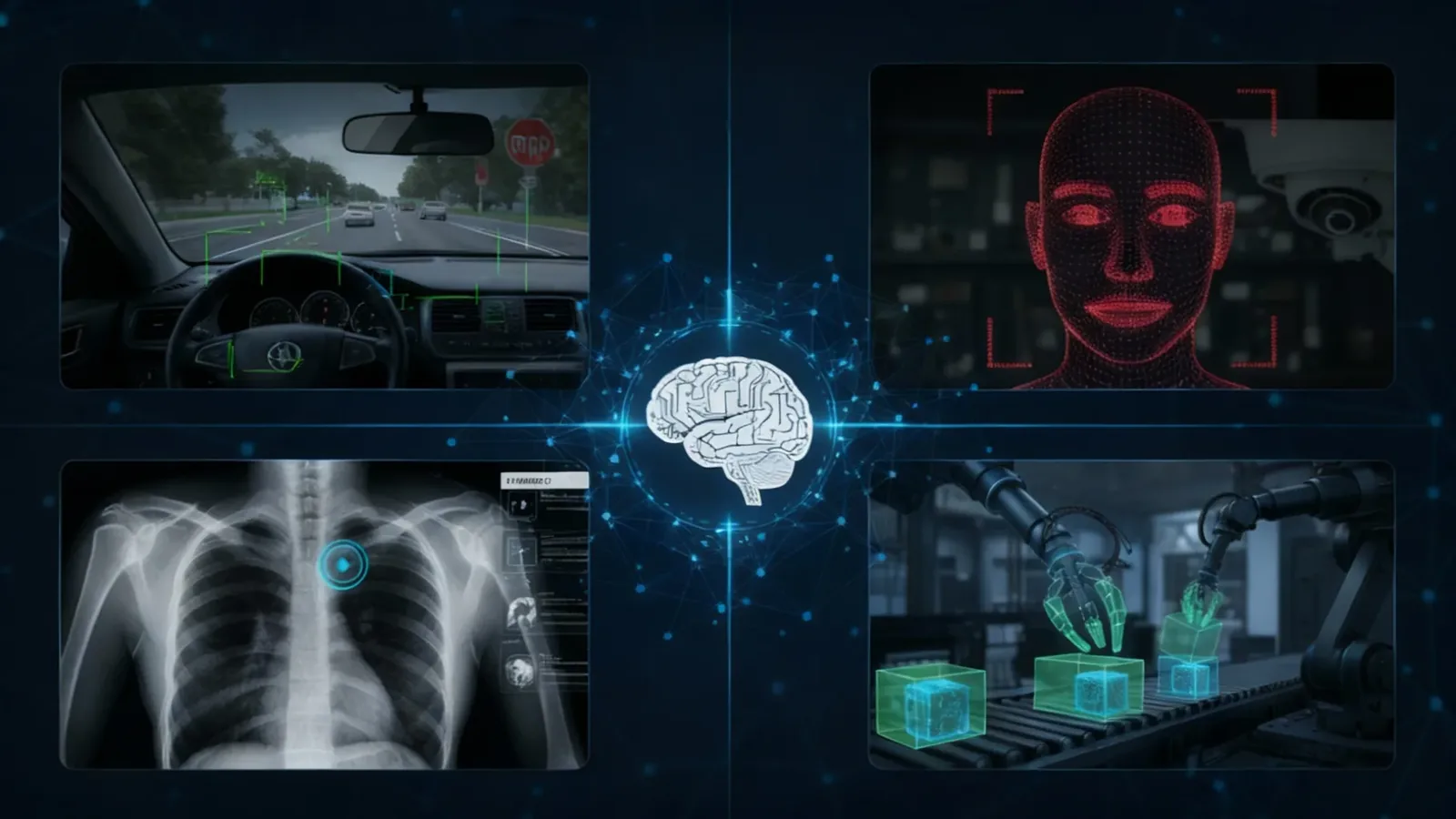
Computer vision usually enters people’s lives quietly. There’s no announcement when it will happen. One day, a phone unlocks by looking at you. Another day, a security camera flags unusual movement without anyone watching the screen. Over time, these moments blend into the background, even though they rely on some fairly advanced technology working nonstop behind the scenes.
What makes all of this possible isn’t just artificial intelligence in the abstract. It’s the practical tools that engineers rely on to turn ideas into systems that actually work. Among those tools are computer vision libraries, software components that handle the unglamorous but critical work of processing images and video. Platforms like Savant show what happens when those libraries are used thoughtfully, not as experiments, but as infrastructure.
From Theory to Systems That Don’t Get Tired
In theory, teaching a machine to understand images sounds straightforward. In practice, it’s messy. Lighting changes. Cameras fail. Objects overlap. People move unpredictably. Real environments don’t behave like clean datasets, and that’s where many vision projects fall apart.
This is why developers lean so heavily on computer vision libraries. These libraries absorb years of research and optimization into reusable tools. They handle things like frame decoding, image transformations, object detection, and model execution in ways that are fast enough for real use. Instead of wrestling with raw pixels, engineers can focus on what the system is meant to do.
Savant builds on this idea. Rather than offering isolated features, it brings multiple libraries together into a working pipeline. Video comes in, analysis happens continuously, and structured results come out. That may sound obvious, but stitching those pieces together reliably is where most real-world systems struggle.
Processing Video When Time Actually Matters
In many industries, vision systems don’t get the luxury of slowing down. A missed frame can mean a missed event. A delay can mean a wrong decision. This is especially true when dealing with live video feeds coming from multiple sources at once.
Libraries like OpenCV and GPU-accelerated frameworks make it possible to process video at speed, but speed alone isn’t enough. The system also needs consistency. Savant demonstrates how optimized libraries can be orchestrated so that performance stays predictable even as workloads increase.
This kind of stability matters in places like manufacturing floors, transportation hubs, or large facilities where vision systems run for months without interruption. These environments don’t care how elegant the code looks, they care whether the system keeps working on a bad day.
Seeing, Following, and Understanding Movement
One of the most common real-life uses of computer vision is tracking things as they move. People walking through a space. Vehicles passing through an intersection. Objects moving along a conveyor belt. Doing this reliably is harder than it looks.
Vision libraries simplify this by combining detection and tracking logic that has already been tested in demanding conditions. Instead of guessing frame by frame, the system learns continuity. It understands that an object seen earlier is the same object now, even if the angle or lighting changes.
Savant takes advantage of this by allowing detection models and tracking logic to run as part of a continuous stream. The result feels less like analysis and more like awareness. That’s the difference between a system that reacts occasionally and one that feels dependable.
When Vision Needs to Talk to Everything Else
A vision system that keeps insights to itself isn’t very useful. In real life, what matters is what happens next. An alert gets triggered. A dashboard update. A process changes automatically.
Modern vision platforms rely on libraries that make communication easy and predictable. Structured data formats, APIs, and SDKs help bridge the gap between visual analysis and business systems. Savant uses this approach so that what the camera sees can quickly become something another system understands.
This is often overlooked, but it’s one of the reasons many vision projects fail after the prototype stage. Libraries don’t just speed up development, they make integration possible without constant rewrites.
Where People Already Depend on Vision Without Thinking About It
Computer vision is no longer limited to high-tech labs. It’s embedded in everyday environments.
Hospitals use imaging systems that assist doctors by highlighting potential concerns. Factories rely on cameras to catch defects before products ship. Retail spaces analyze movement patterns to improve layouts and security without invasive measures.
In agriculture, vision helps farmers notice problems early, sometimes before damage becomes visible to the human eye. Logistics centers depend on automated visual sorting to move goods efficiently. Even traffic systems increasingly rely on vision to manage flow rather than fixed timers.
In each case, the visible result feels simple. The underlying system is anything but.
Why These Tools Will Only Grow More Important
As more devices gain cameras and more systems move closer to real-time decision-making, computer vision will keep expanding. Not because it’s flashy, but because it’s useful.
Libraries will continue to play a central role in that growth. They reduce risk, speed up deployment, and make it possible to scale without rebuilding everything from scratch. Frameworks like Savant show that when these tools are combined thoughtfully, computer vision stops feeling experimental and starts feeling like infrastructure.
And that’s when technology really becomes part of daily life, not when people notice it, but when they stop having to.