Google Veo 4 Is Coming: Everything You Need to Know About the Next-Gen AI Video Model
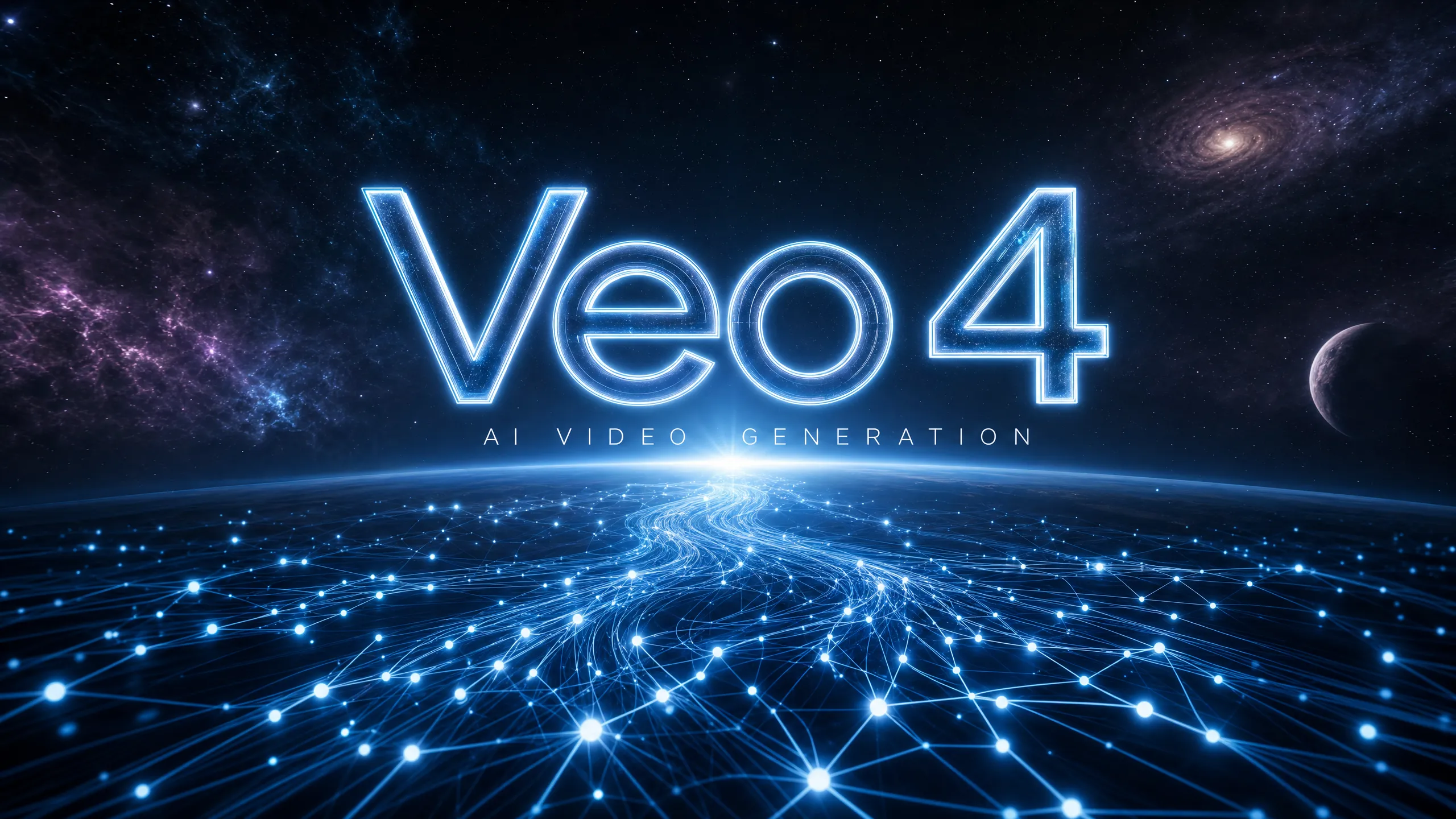
The landscape of artificial intelligence video generation is evolving at a breakneck pace, and Google DeepMind is preparing to set a new industry standard. Anticipation is building rapidly for the release of Google Veo 4, the next-generation generative AI model that promises to redefine how creators, marketers, and filmmakers produce video content.As the successor to the already impressive Veo 3 and Veo 3.1 models, Veo 4 is not being described as a mere incremental update. Instead, industry insiders suggest it represents a fundamental architectural shift in multimodal AI. For creators looking to stay ahead of the curve, platforms like SharkFoto are already preparing to integrate these next-generation capabilities into their comprehensive AI media suites.This article explores everything we know so far about Google Veo 4, its anticipated features, its potential release timeline, and how it will transform the creative workflow.
The Evolution of Google's Video AI
To understand the significance of Veo 4, we must first look at the foundation laid by its predecessors. Google's journey into generative video accelerated significantly with the introduction of the original Veo model, which demonstrated the ability to understand complex physics and lighting. Veo 3 and the subsequent Veo 3.1 update brought high-definition 1080p generation, cinematic camera controls, and the groundbreaking addition of native audio generation. These models proved that AI could not only generate visually stunning clips but also synthesize synchronized sound effects and ambient audio to match the visual context.However, despite these advancements, creators still faced limitations regarding video length, character consistency across multiple shots, and resolution caps. Google Veo 4 is engineered specifically to shatter these remaining barriers.
Key Anticipated Features of Google Veo 4
Based on current industry analysis and DeepMind's development trajectory, Veo 4 is expected to introduce several revolutionary capabilities that will push AI video generation closer to traditional studio production quality.
1. Extended Generation Length
One of the most significant limitations of current AI video models is duration. Most platforms max out at 5 to 8 seconds of continuous generation before physics break down or subjects morph unnaturally.Veo 4 is expected to dramatically increase this limit, producing continuous, high-fidelity clips ranging from 10 to 30 seconds from a single prompt. This extended duration will allow creators to generate complete narrative scenes, comprehensive product showcases, and longer establishing shots without the need for complex post-production stitching and blending.
2. Native Storyboarding and Sequencing
Perhaps the most highly anticipated feature of Veo 4 is its native storyboarding capability. Currently, creating a coherent narrative requires generating multiple isolated clips and hoping the style and subjects match when edited together.Veo 4 aims to solve this by allowing users to define a sequence of scenes, camera angles, and narrative beats within a single generation workflow. The model will understand how to seamlessly transition from a wide establishing shot to a close-up, maintaining narrative flow and visual coherence throughout the entire sequence.
3. Cinematic 4K Resolution
While 1080p has become the standard for AI video, professional production demands higher fidelity. Veo 4 is anticipated to generate breathtaking footage at resolutions up to 4K.Beyond just an increase in pixel count, the model is expected to boast vastly improved temporal consistency. This means the flickering, unnatural morphing, and background artifacting common in older AI videos will be virtually eliminated. The underlying physics engine is also receiving an upgrade, ensuring that complex elements like water dynamics, smoke dispersion, and fabric movement behave with photorealistic accuracy.
4. Flawless Character Consistency
Maintaining a character's specific appearance across different frames, lighting conditions, and camera angles has historically been the "Achilles' heel" of AI video generation.Veo 4 reportedly introduces advanced character anchoring technology. Once a specific character is introduced or defined in the prompt, their facial structure, clothing details, and distinguishing features will remain locked and consistent, even during complex physical movements. Furthermore, the model is expected to support zero-shot avatar creation, allowing users to upload a single reference photo and generate a realistic video of that person acting or speaking without requiring extensive model fine-tuning.
5. Advanced Multimodal Input and Native Audio
Veo 4 will continue to build upon Google's multimodal foundation. It will accept complex text prompts, image-to-video references, and audio inputs simultaneously.Building on the synchronized audio introduced in Veo 3.1, Veo 4 will generate native, high-fidelity sound effects, rich ambient noise, and potentially even dialogue that perfectly matches the visual action on screen, eliminating the need for separate audio generation tools in many workflows.
When Will Google Veo 4 Be Released?
While Google DeepMind has not officially confirmed a public release date for Veo 4, industry analysts and experts are closely watching Google's major developer events.The most likely launch window for Google Veo 4 is expected to coincide with major Google conferences in 2026, such as Google Cloud NEXT '26 (scheduled for April) or the annual Google I/O developer conference typically held in May.Historically, Google has used these flagship events to unveil its most significant AI advancements, making them the prime candidates for a Veo 4 announcement and subsequent API rollout.
Preparing for the Next Generation of Video AI
The impending arrival of Veo 4 means creators should start preparing their workflows now. As AI video becomes longer, more consistent, and higher resolution, the focus will shift from simply "getting the AI to work" to actual cinematic direction and storytelling.Creators can prepare by:
- Building Prompt Libraries: Start documenting effective lighting setups, camera movements, and cinematic terminology.
- Practicing with Current Models: Utilizing Veo 3.1 to master the basics of AI video direction will make the transition to Veo 4 much smoother.
- Developing Reference Assets: Create character reference sheets and brand style guides that can be fed into Veo 4's multimodal inputs.
When Google Veo 4 officially launches, platforms like SharkFoto will be at the forefront of integrating these capabilities. By utilizing an all-in-one AI media platform, creators will be able to seamlessly combine Veo 4's video generation with advanced AI image editing, audio tools, and one-click effects, creating a frictionless production environment.The era of truly cinematic, narrative-driven AI video is just on the horizon. With Google Veo 4, the gap between human imagination and professional video output is about to become smaller than ever before.